

We talk a lot about glowing skin, calm minds, and energised mornings. We research the best serums, the most grounding rituals, the cleanest routines. And yet, there is one pillar of wellness we consistently overlook — the silent, structural foundation that literally holds us upright.
Our skeletal system. Our bones.
Caring for your bones is not something to think about "when you are older." It is one of the most powerful, long-term acts of self-care you can begin today. Think of it as a physical retirement fund — every nourishing choice you make now is a quiet deposit into your future wellbeing.
The Science, Made Gentle
Here is something worth understanding: most of us reach our peak bone mass somewhere between our mid-twenties and age thirty. Before that point, our bodies are building bone faster than they break it down — a beautiful, natural accumulation. After that, the balance slowly shifts.
As the years pass, bone breakdown begins to outpace new bone formation, and density naturally decreases. This is not something to fear — it is simply how the body works. But it does mean that what you eat, and how you move, genuinely matters. The goal shifts from building to preserving: protecting and maintaining the foundation you have spent years creating.
Three key nutrients support this mission above all others: Calcium, Vitamin D, and Protein. And research consistently shows that a Mediterranean-style way of eating — rich in whole foods, lean proteins, healthy fats, and abundant vegetables — is one of the most effective dietary patterns for reducing the risk of fractures and osteoporosis over time.
You do not need a complicated supplement protocol or a strict elimination plan. What your bones need most is consistency — the same gentle, daily attention you already give to your skin and your sleep.
Your Bone-Nourishing Food Guide
The good news? The foods that support your skeletal health are also some of the most beautiful, delicious, and intentional choices you can bring into your daily life. Here is how to begin.
01 — Greek Yogurt: Your Velvet Morning Ritual
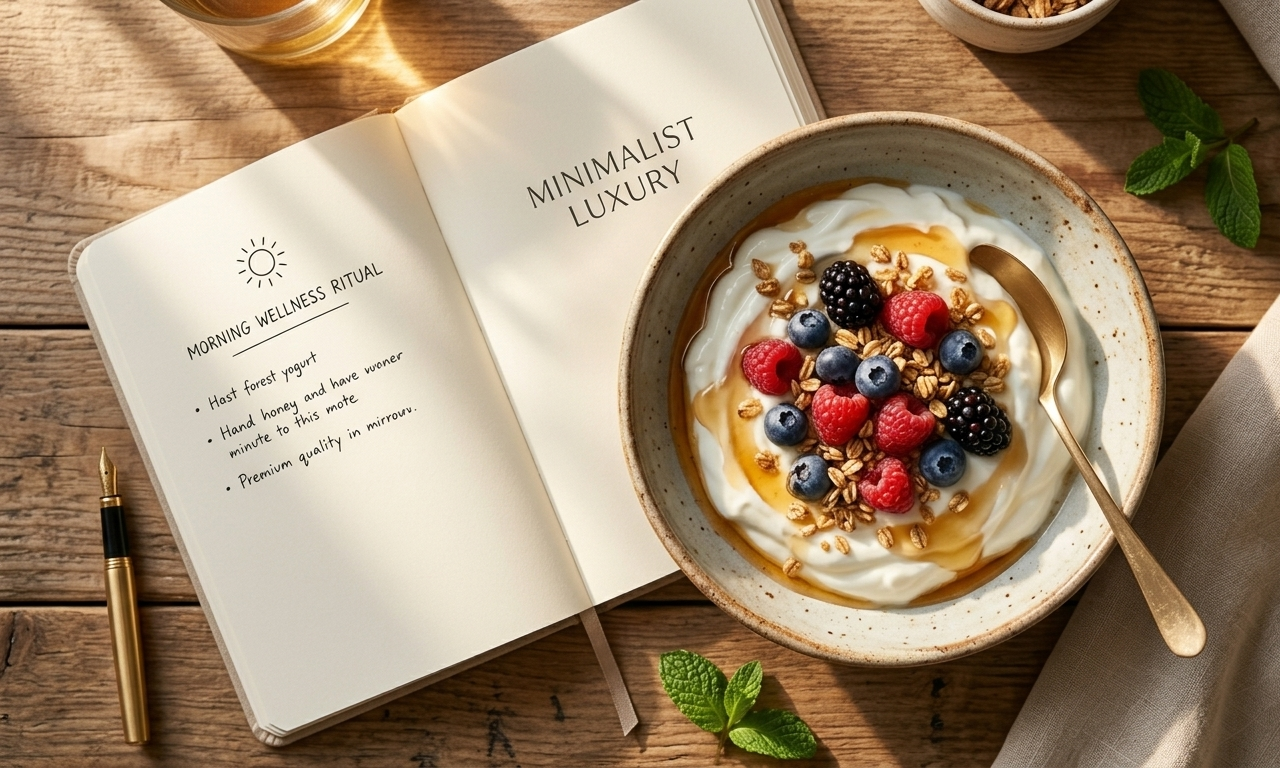
Plain, low-fat Greek yogurt is one of the most elegant bone-supporting foods available. It is dense with both calcium and protein, and many varieties are also enriched with Vitamin D — making it a quiet triple-threat for your skeletal system.
Make it a ritual. Spoon it into a beautiful ceramic bowl. Add a drizzle of honey, a scatter of berries, a few crushed walnuts. Let your breakfast feel like an act of care, not just a meal.
02 — Salmon: Nature's Multivitamin
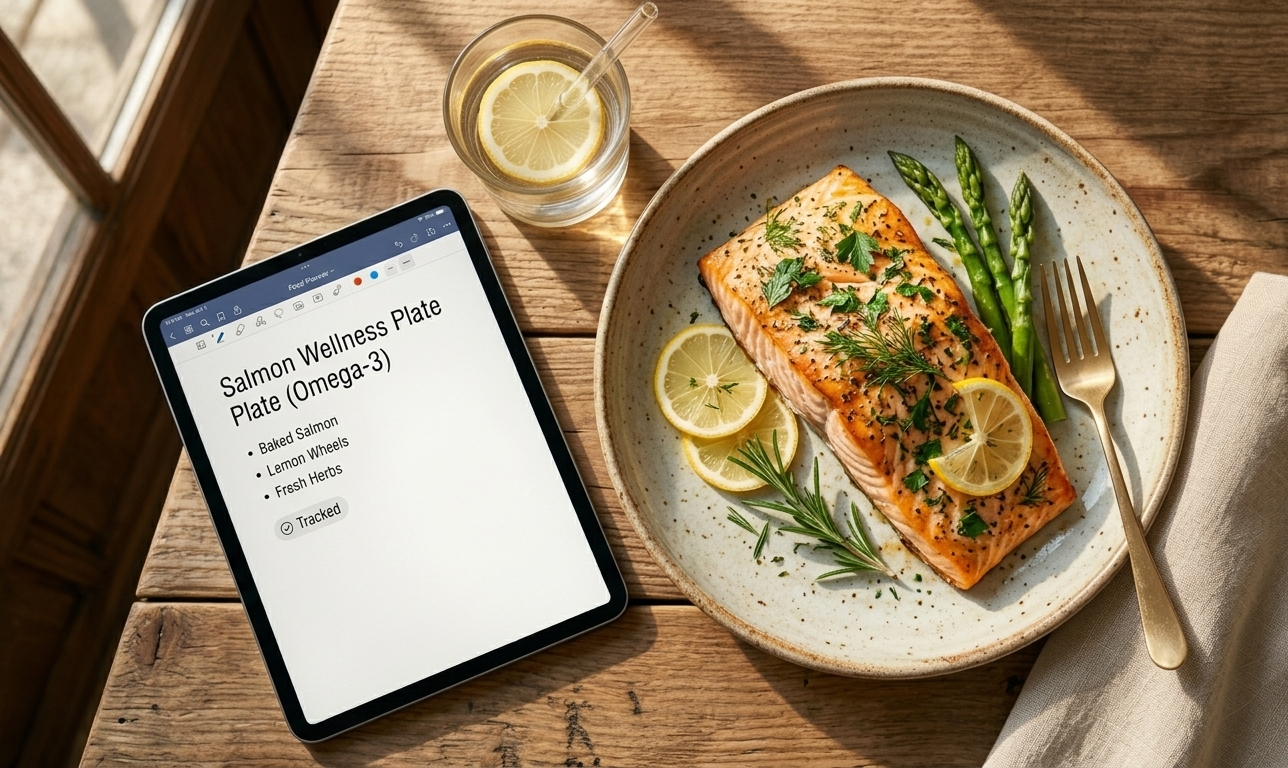
If there is one food that earns the title of "nature's multivitamin for your bones," it is salmon. A single serving delivers exceptional protein, a meaningful source of calcium, and over 100% of your daily Vitamin D requirement — a nutrient that most of us are quietly deficient in, particularly during the darker months of the year.
Beyond bone health, salmon supports your heart, your brain, and your vision. It is one of those rare foods that truly nourishes every system at once. Baked simply with lemon and olive oil, it is a dinner that feels like an act of intention.
03 — Fortified Soy Milk & Edamame: The Plant-Based Duo
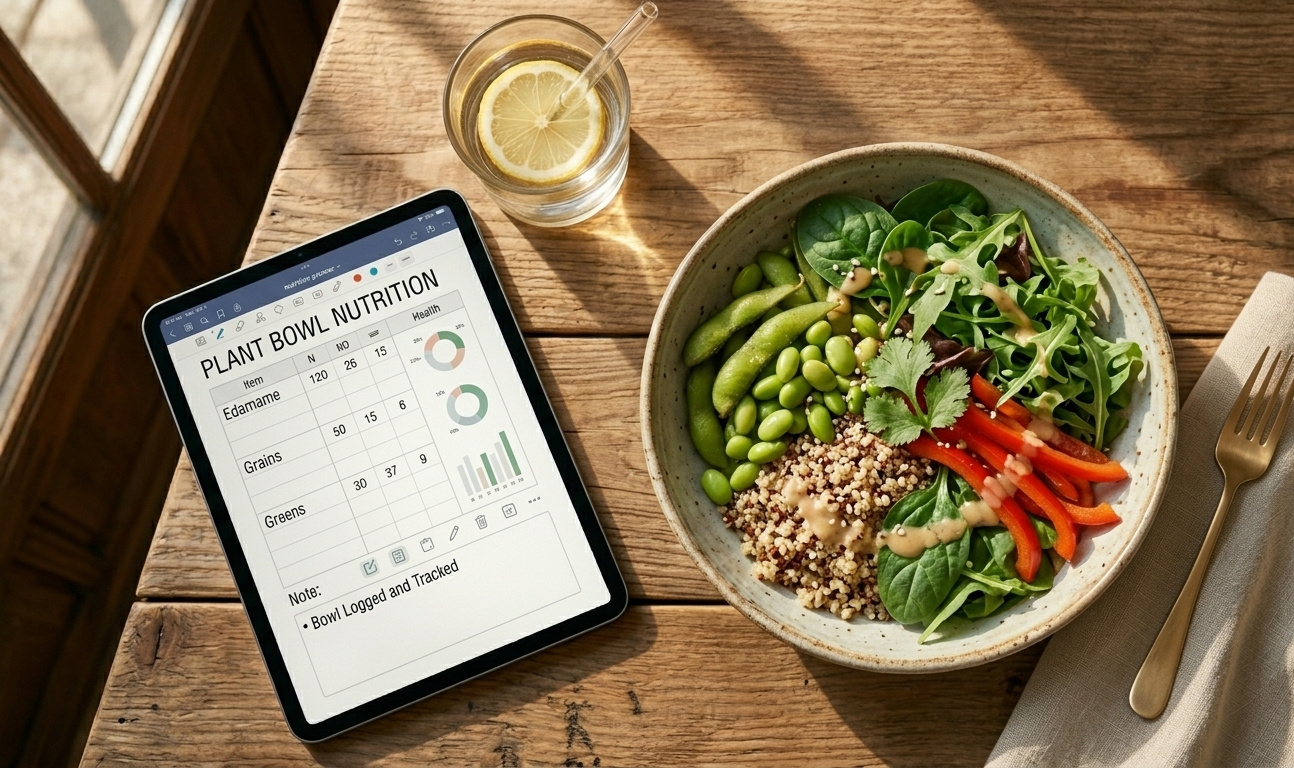
For those who prefer plant-based nourishment, fortified soy milk is one of the finest alternatives available. It mirrors the calcium, Vitamin D, and protein profile of dairy in a clean, versatile form — beautiful in smoothies, warming oats, and golden lattes.
Edamame, the young soybean served so elegantly in small ceramic bowls, is equally impressive. Rich in both protein and calcium, it makes the loveliest afternoon snack — lightly salted, sitting beside a glass of sparkling water and perhaps a moment of stillness with your journal.
04 — Broccoli & Kale: The Green Foundation
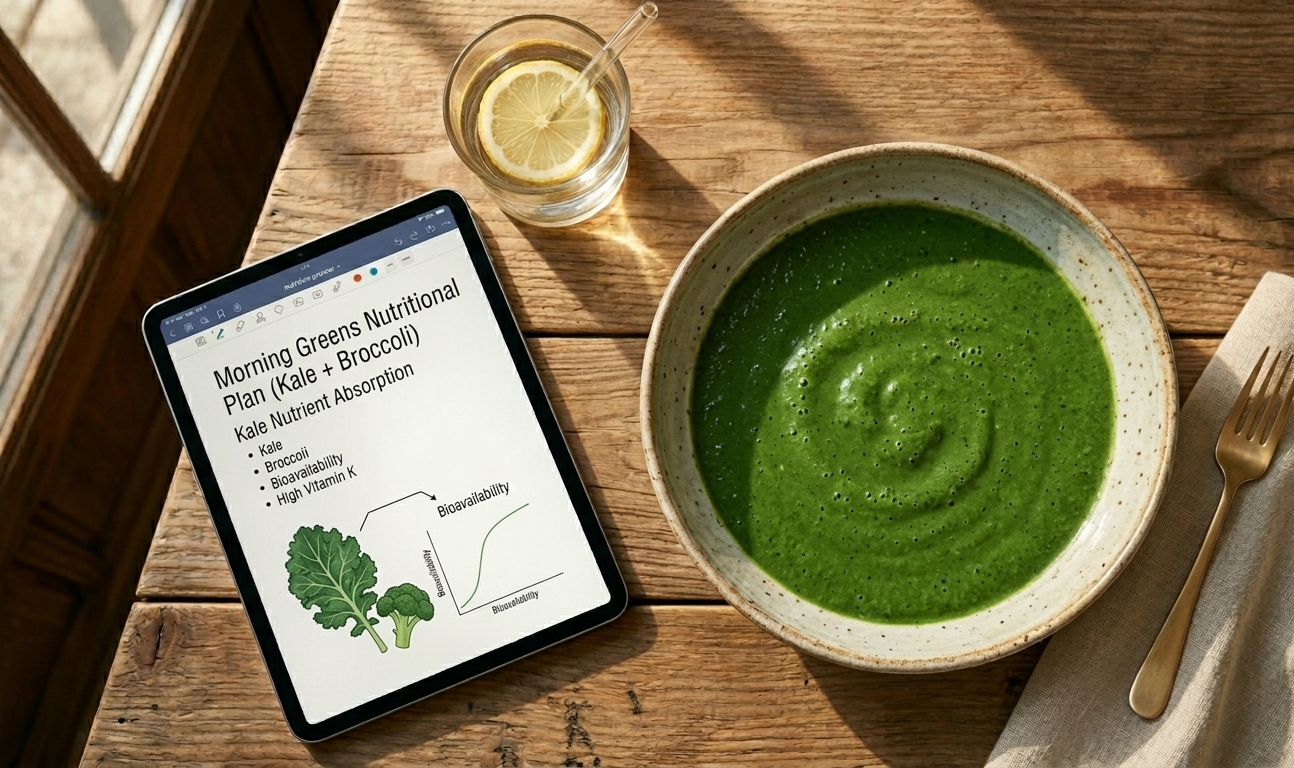
Not all calcium comes from dairy. Broccoli and kale are two of the most powerful plant sources available — and they carry a bonus nutrient that often goes unnoticed: Vitamin K.
Vitamin K plays a critical role in bone mineralisation, supporting the proteins that bind calcium directly into your skeletal structure and offering specific protection against osteoporosis. It is a quiet but essential nutrient that greens provide in abundance.
Now — a note on kale specifically, because it deserves special attention. Unlike spinach or chard, kale is naturally low in oxalates. Oxalates are compounds found in many leafy greens that can actually bind to calcium and inhibit its absorption. With kale, that barrier is largely absent — meaning the calcium it contains is absorbed far more efficiently by your body. It is, in short, one of the most bioavailable plant-based sources of calcium you can eat.
Toss kale into a warm grain bowl. Blend a handful into your morning smoothie. Steam broccoli into a soup. These are small acts with long, quiet consequences.
Many women find it genuinely helpful to track their nourishment with intention — not from a place of restriction, but as a mindful ritual. A digital wellness journal or nutrition planner can make this practice feel beautiful rather than clinical.
YOUR FUTURE SELF WILL THANK YOU
Small Choices Today, Strength for a Lifetime
The most powerful kind of self-care is the kind that works quietly, slowly, and without immediate applause. Every bowl of Greek yogurt, every piece of salmon, every handful of kale — these are not just meals. They are promises to the woman you are becoming. Start small. Start today. Your bones, your body, and your future self will feel it.
Nourishment is not a discipline — it is a devotion. And you are so worth it.
— By EaseOnMe
